Craig Oliver: The BBC Editor Who Entered Downing Street
From television journalism to David Cameron's inner circle, the Brexit referendum, and a new career advising global businesses.

Introduction
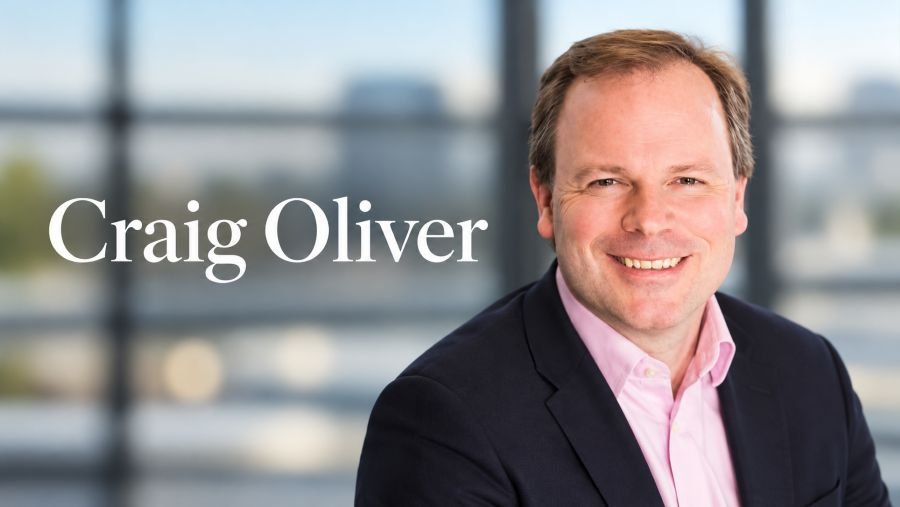
Sir Craig Oliver is a British journalist, author, and communications adviser. He is best known for serving as Director of Politics and Communications under former UK Prime Minister David Cameron.
His career has taken several turns. He started in television news, moved into government, and later joined the business world.
He also witnessed the Brexit referendum firsthand.
That experience became a book. His years in government also brought public attention, political pressure, and major career changes.
As of October 2026, he is Co-Global Head of Strategy & Reputation at FGS Global.
Quick Facts
| Detail | Information |
|---|---|
| Full name | Sir Craig Stewart Oliver |
| Known as | Craig Oliver |
| Birth year | 1969 |
| Nationality | British |
| Profession | Journalist, author, communications adviser |
| Education | University of St Andrews and Cardiff University |
| Former employer | BBC |
| Former government role | Director of Politics and Communications |
| Former prime minister | David Cameron |
| Downing Street service | 2011–2016 |
| Current organisation | FGS Global |
| Current position | Co-Global Head of Strategy & Reputation |
| Former wife | Joanna Gosling |
| Children | Three daughters |
| Known book | Unleashing Demons |
| Major honour | Knight Bachelor, 2016 |
| Podcast | Desperately Seeking Wisdom |
Early Life and Family Background
His early years were closely connected to Scotland.
Although biographical records place his birth in Nottinghamshire in 1969, he spent much of his childhood in Scotland.
His father, Ian Oliver, worked in senior policing roles. He served as Chief Constable of Central Scotland Police and later Grampian Police.
Growing up in a family connected to public service gave Craig an early view of public institutions. Still, there is no reliable basis for claiming that his father’s career directly determined his own professional choices.
His childhood remained largely private.
Unlike his later years in television and government, relatively little has been publicly documented about his day-to-day life as a child.
What is clear is that his education opened the door to journalism.
Education and University Years
He attended a state school in Scotland before studying English literature at the University of St Andrews.
Literature was his first academic focus.
But journalism became his career choice.
He later studied broadcast journalism at Cardiff University, completing a postgraduate diploma in 1992.
That course gave him practical training in reporting, editing, and television news production.
In a 2019 interview published by Cardiff University, he spoke about the importance of fairness, impartiality, and checking facts during his journalism training.
He also explained why working behind the camera interested him.
A reporter covers an assigned story. An editor makes decisions about many stories.
That wider responsibility appealed to him.
His education helped prepare him for a career in which he would eventually decide how major national and international events were presented to television audiences.
Starting His Journalism Career
The early 1990s marked his professional beginning.
In 1992, he started working as a reporter for Scottish Television, commonly known as STV.
He then joined Independent Television News in 1993.
Television news was demanding work.
Stories could change without warning. Editors had tight deadlines, and decisions often had to be made quickly.
Oliver worked his way through reporting and production positions.
He eventually became involved with major television news programmes, including ITV’s News at Ten.
His responsibilities grew.
Rather than concentrating on one report, he began helping decide which stories should lead a broadcast and how complicated events could be explained to viewers.
That experience helped build his career in editorial management.
Working at ITV and Channel 4 News
His work soon expanded across several British broadcasters.
He held editorial positions connected to ITV News, Five News, and Channel 4 News.
These roles required him to handle breaking news, organise programme output, and work with journalists covering major events.
He worked on television coverage during a period that included significant international stories and changing public expectations of news broadcasting.
Day to day, editorial work demanded quick decisions.
Information had to be checked. Stories needed context. Broadcast deadlines could not simply be moved.
His experience at different news organisations gave him a strong background in television journalism before his move to the BBC.
The BBC Years
In 2006, he joined the BBC.
This became another big career move.
He worked as an editor on BBC One’s flagship television news programmes, including the Six O’Clock News and Ten O’Clock News.
These were major national broadcasts.
The work involved decisions about breaking stories, international coverage, political reporting, and the order in which important events reached viewers.
He later moved into senior BBC news management.
In 2009, he became deputy head of the BBC’s multimedia newsroom.
Then, in 2010, he became Controller of English at BBC Global News.
His responsibilities included English-language news output across the BBC’s international services.
He also worked on the BBC’s coverage of the 2010 UK general election.
By this stage, he had spent many years handling major news stories.
But his next job was different.
He would leave independent journalism and join a political government.
Why Did He Join David Cameron’s Government?
In February 2011, Prime Minister David Cameron selected him to replace Andy Coulson as Downing Street’s communications director.
Coulson had resigned amid controversy linked to phone-hacking allegations from his earlier newspaper career.
Oliver’s appointment attracted attention.
He was known for television journalism rather than party campaigning, and his recruitment brought an experienced broadcast editor into Cameron’s communications team.
He accepted the position and entered Downing Street in 2011.
The change was substantial.
In journalism, his role had been to decide how news should be reported. In government, his job became helping explain and defend government decisions.
His official position was Director of Politics and Communications.
He worked closely with Cameron and senior government officials until July 2016.
Life Inside 10 Downing Street
Government communications can be intense.
News breaks quickly. Decisions face public criticism. A single interview can change the direction of a political story.
Oliver helped manage the government’s relationship with the media.
His work included preparing communications plans, responding to journalists, and supporting political campaigns.
Several major events took place during his service.
These included the 2011 Alternative Vote referendum, the 2014 Scottish independence referendum, and the 2015 general election.
The Conservatives won a parliamentary majority in 2015, allowing Cameron to form a government without the Liberal Democrats.
Oliver’s work continued.
Soon, however, the government faced an even larger political test.
The United Kingdom was preparing to vote on its membership of the European Union.
His Role During the Brexit Referendum
The 2016 referendum became a defining moment in his public career.
David Cameron supported remaining in the European Union.
Oliver helped with communications for the Remain campaign, working alongside senior political figures and campaign advisers.
The campaign sought to explain the government’s case for remaining in the EU.
Its arguments included economic concerns, trade, employment, and Britain’s international relationships.
The Leave campaign presented a different case, focusing on matters such as sovereignty, immigration, and control over national decisions.
The contest became increasingly heated.
On 23 June 2016, voters made their decision.
According to the Electoral Commission, 51.9% voted Leave and 48.1% voted Remain.
The result changed British politics.
Cameron announced his resignation, and Oliver’s time at Downing Street ended in July 2016.
The campaign also gave him material for a book.
Writing Unleashing Demons
He published Unleashing Demons: The Inside Story of Brexit on 4 October 2016.
The book was released by Hodder & Stoughton.
It presented his account of the referendum campaign and the events surrounding it.
He drew on notes and recollections from his time working with Cameron.
Readers were given an insider’s view of campaign meetings, political disagreements, difficult decisions, and reactions to the final result.
The book also discussed leading political figures, including Boris Johnson, Michael Gove, and George Osborne.
It attracted considerable media attention.
Some reviewers praised the detail and pace of his account. Others questioned whether it gave enough weight to mistakes made by the Remain campaign.
The book remains his best-known published work.
It also became part of the research used for a later television drama.
His Connection to Brexit: The Uncivil War
In 2019, Channel 4 aired Brexit: The Uncivil War, a political drama about the referendum campaign.
Actor Rory Kinnear portrayed Oliver.
Benedict Cumberbatch played Dominic Cummings, who was associated with the Vote Leave campaign.
Before filming, Kinnear read Oliver’s book and met him to prepare for the role.
The drama presented events from both sides of the referendum.
Still, it was a dramatisation.
Some scenes and conversations were fictionalised, rather than exact records of what happened.
For Oliver, the production brought another wave of public attention to his Downing Street career.
Career After Leaving Government
After July 2016, he moved into strategic communications consultancy.
One of his early post-government roles was with Teneo Blue Rubicon.
He sought advice from the UK’s Advisory Committee on Business Appointments before taking the position.
The committee placed conditions on the move.
For two years after leaving government, he was restricted from personally lobbying the UK government on behalf of Teneo.
The rules also prohibited the improper use of privileged information obtained during government service.
Oliver later continued his consultancy career at FGS Global.
His work moved away from daily government messaging and towards advising businesses and senior executives.
The clients and subjects changed.
But communications remained his profession.
His Position at FGS Global in 2026
As of October 2026, Oliver serves as Co-Global Head of Strategy & Reputation at FGS Global, based in London.
The company provides advice on corporate reputation, communications, public affairs, and business challenges.
His role involves working with senior leadership teams and helping organisations plan how they communicate with important audiences.
On 21 May 2026, FGS Global announced that Justin Dini would co-lead the Strategy & Reputation practice alongside him.
Dini is based in New York, while Oliver is based in London.
The announcement confirmed Oliver’s continuing senior position in the organisation.
His career now combines experience from journalism, government, and corporate communications.
Podcast and Life Beyond Politics
He also hosts a podcast called Desperately Seeking Wisdom.
The programme takes a different approach from his government work.
Instead of discussing only politics, it focuses on people’s experiences and lessons from difficult periods in life.
Guests have included Richard Curtis, George Alagiah, Amber Rudd, Richard Coles, and David Baddiel.
They discuss personal challenges, career pressures, and what they have learned.
The idea came partly from Oliver’s reflections after leaving Downing Street.
He has publicly discussed questioning his own approach to work and personal fulfilment following the Brexit referendum.
The podcast gives him a way to speak with people outside the usual political environment.
It also shows another side of his public work.
Wife, Marriage and Children
His former wife is Joanna Gosling, a British broadcaster and former BBC News presenter.
They married in 1996.
The couple have three daughters.
Their separation became public in 2014.
Oliver has generally kept his family life away from detailed public discussion.
His podcast biography confirms that he has three daughters and lives in West London.
He has discussed the personal pressures of demanding careers, but private family matters have not been a major part of his public professional profile.
Honours and Achievements
In August 2016, he was named in David Cameron’s Resignation Honours list.
He received a knighthood for political and public service.
The honour gave him the title Sir Craig Oliver.
His other documented career achievements include editing national television news programmes, holding senior BBC management responsibilities, serving in Downing Street, and publishing a bestselling political book.
He has also taken part in charity work.
Oliver served as a trustee and company director of Make-A-Wish Foundation UK. Companies House records confirm that his appointment ended on 6 August 2024.
His charity role is therefore part of his past activities rather than a confirmed current trusteeship.
Public Criticism During His Government Career
His time in Downing Street was not free from controversy.
In 2012, a dispute arose over communications with The Daily Telegraph during the newspaper’s investigation into Culture Secretary Maria Miller’s expenses.
The newspaper’s former editor later alleged that Oliver had referred to Miller’s involvement in press regulation during a conversation about the reporting.
Oliver denied that he had threatened the newspaper.
Downing Street also rejected suggestions that the government had threatened the publication, saying concerns had been raised about aspects of the investigation.
The disagreement received fresh coverage in 2014.
His handling of the Remain campaign also faced criticism after the 2016 referendum.
Political commentators questioned the campaign’s messages and its ability to connect with voters who wanted change.
These debates became part of the wider discussion about why Remain lost.
Career Timeline
| Year | Career milestone |
|---|---|
| 1969 | Born |
| 1992 | Completed journalism diploma at Cardiff |
| 1992 | Started television reporting with STV |
| 1993 | Joined ITN |
| 1990s–2000s | Worked in editorial roles at ITV, Five News, and Channel 4 News |
| 2006 | Joined the BBC |
| 2009 | Became deputy head of BBC multimedia newsroom |
| 2010 | Became Controller of English at BBC Global News |
| 2011 | Joined David Cameron’s Downing Street team |
| 2014 | Worked during the Scottish independence referendum |
| 2015 | Served during the UK general election |
| 2016 | Worked on the Remain referendum campaign |
| 2016 | Left Downing Street |
| 2016 | Published Unleashing Demons |
| 2016 | Received a knighthood |
| After 2016 | Worked in strategic communications consultancy |
| 2019 | Portrayed in Brexit: The Uncivil War |
| 2024 | Ended his Make-A-Wish UK trusteeship |
| 2026 | Confirmed as Co-Global Head of Strategy & Reputation at FGS Global |
Final Thought
His career has crossed several different professions.
He began in television news. He then worked beside a prime minister during a period of major political change.
The Brexit referendum ended one chapter.
Consultancy and podcasting opened others.
Today, his professional work remains centred on communication, public trust, and how organisations respond when difficult events attract attention.
His story also shows how experience in journalism can lead to careers far beyond the newsroom.
Frequently Asked Questions
1. Who is Craig Oliver?
He is a British journalist, author, and communications adviser. He previously served as Director of Politics and Communications for David Cameron.
2. How old is he in 2026?
He was born in 1969, making him 56 or 57 during 2026, depending on his birthday. An exact birth date is not independently confirmed by the primary sources used here.
3. What is his educational background?
He studied English literature at the University of St Andrews. He completed a postgraduate diploma in broadcast journalism at Cardiff University in 1992.
4. Was he a BBC journalist?
Yes. He edited major BBC television news programmes and later held senior management roles within BBC News and BBC Global News.
5. Who was his wife?
He was married to British broadcaster Joanna Gosling. They separated in 2014.
6. Does he have children?
Yes. He has three daughters, a detail confirmed in his public podcast biography.
7. What book did he write?
He wrote Unleashing Demons: The Inside Story of Brexit, published in October 2016.
8. What does he do now?
As of October 2026, he is Co-Global Head of Strategy & Reputation at FGS Global. He also hosts Desperately Seeking Wisdom.